Updated
7 min read
Energy renovation in Neuchâtel: preparing your project before requesting quotes
Preparing an energy renovation means connecting the building’s condition, possible work scenarios and the formalities before construction. A shared file then helps compare quotations and organise interventions in an occupied building.
By the F&F Gestion teamAn energy renovation often begins with a practical frustration: a cold room, an ageing heating system or a façade that needs attention. Requesting quotations immediately, however, can produce three answers to three different problems. Before comparing prices, establish what you want to improve, which constraints are acceptable and which questions remain unanswered.
This preparation is particularly useful when a building remains occupied. The owner must connect the technical project, its funding and residents' everyday routines. A well organised file gives everyone the same assumptions to work with and makes later decisions easier to explain.
Define the outcome before selecting a solution
Write a short opening brief. Describe the problems you have observed, the parts of the building involved and your decision timeframe. Separate repairs needed to keep an installation operating from improvements you would like to undertake while work is taking place. Add constraints such as available funding, access to homes, features to retain and a possible future sale.
Avoid turning an observation into a diagnosis. A cold bedroom alone does not establish that the heating system needs replacing. Record when the problem occurs, which rooms are affected and what has already been tried. This gives a professional more useful information than a general request for better heating. Include a dated photograph when it helps locate the observation, without treating it as proof of its cause.
Assemble information that others can use
Gather available plans, energy bills covering identifiable periods, maintenance agreements and the history of previous work. For each document, record its year and the areas concerned. An invoice for windows may cover only part of the building; annual consumption may include a period when some apartments were empty.
Create a separate page for unknowns: the composition of a wall, the condition of an inaccessible roof or the route of a pipe. Give each question a proposed way forward, through archive records or a specialist investigation. Use this page to prepare the technical visit and subsequently check that quotations do not rely on conflicting assumptions.
From an observation to construction
A suggested way to keep decisions traceable.
Describe
Objectives, available records and open questions.
Compare
Technical scenarios and practical consequences.
Prepare
Comparable quotations, funding and formalities.
Decide
Conditions for starting clarified and responsibilities assigned.
Use CECB Plus to compare possible directions
CECB Plus supplements the energy certificate with an advisory report covering renovation options, priorities and financial estimates. It helps owners consider different interventions and how they might be organised over time. Official explanation of CECB Plus.
When discussing the report, ask which inputs have been checked and which remain estimates. Clarify the assumed future use, the work included in each option and any investigations still required. An estimate prepared to compare scenarios does not replace a detailed quotation for execution.
Prepare your own decision sheet. You should be able to explain a scenario in a few sentences: the problem addressed, the work selected, the work postponed, occupancy constraints and the next decision. If two options assume different finishing standards, make that difference visible before discussing their cost gap.
Connect the envelope, heating and air renewal
SwissEnergy recommends improving the building envelope before replacing the heating where circumstances allow, so that the system can be sized for future demand. An imminent breakdown nevertheless requires an approach adapted to the urgency. SwissEnergy guidance on the order of works.
Another issue deserves a technical discussion: replacement windows can reduce natural air renewal. Ventilation therefore needs to be considered alongside changes to the envelope. SwissEnergy building renovation guide.
Consider a hypothetical situation: a condominium plans façade work now and a heating replacement later. Ask the designer to explain which connections and routes should be prepared during the first stage. Establish what would remain usable if the second stage were delayed. The aim is to identify decisions that would unnecessarily close off a future option.
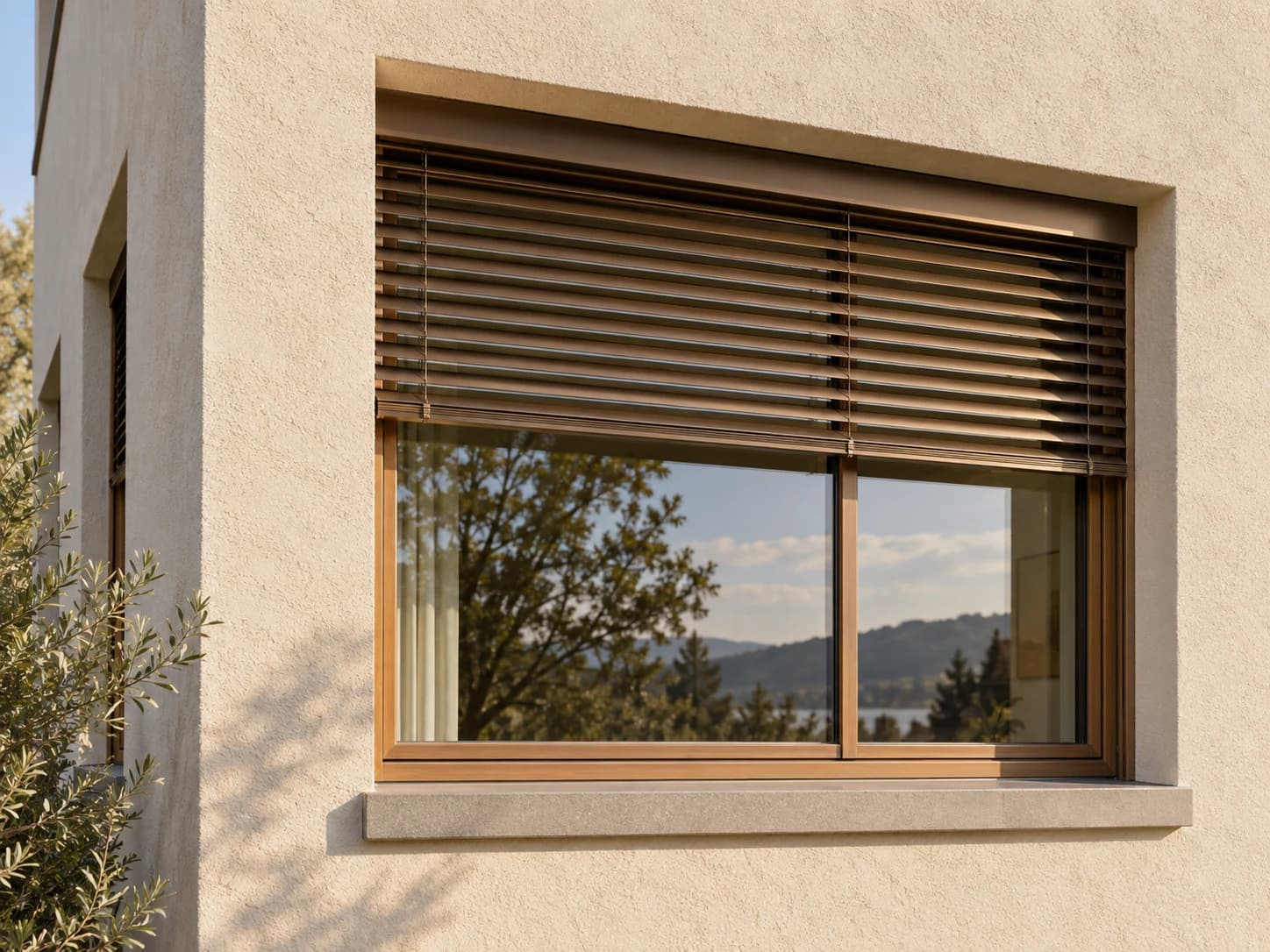
Façade, windows and solar shading
The window, its surround and the exterior blind meet on the same façade. Reviewing them together helps prepare the junctions and sequence of work.
Check the formalities before setting a start date
In Neuchâtel, applications to the Building Programme must be submitted before work begins. The cantonal page also states that application and completion forms must be sent by post. Consult the current conditions and formalities for the measure concerned. Neuchâtel Building Programme.
Track subsidy applications and building authorisations separately. The canton provides guidance for preparing permit applications; the procedure applicable to your project should be clarified with the relevant authorities and professionals. Cantonal building permit guides.
Assign each administrative task an owner, the documents needed and a status that can be verified. Anticipated funding remains separate from funding awarded, just as a submitted application differs from a response received. Have the conditions for starting confirmed before committing the project to construction. This prevents a contractor's availability from being mistaken for readiness to proceed.
Obtain quotations that can genuinely be compared
Send every contractor the same specification and a dated version of the plans. Identify the areas, finishes, access arrangements, protective measures and occupancy constraints. Ask for options, exclusions and assumptions to be shown separately, together with an explanation of how additional work would be handled.
Read the final price by component. Check scaffolding, connections to adjoining surfaces, waste removal, electrical work and making good. If an item is missing, request its price before ranking the offers. The following example illustrates that comparison; all amounts are invented and represent no local price indication.
Hypothetical worked example: compare the same scope
| Item, CHF | Quotation A | Quotation B |
|---|---|---|
| Advertised price | 80,000 | 74,000 |
| Additional scaffolding | Included | 8,000 |
| Additional finishing | Included | 3,000 |
| Comparable total | 80,000 | 85,000 |
Original teaching calculation: B = 74,000 + 8,000 + 3,000 = CHF 85,000. All other items and their tax treatment are assumed identical; no subsidies or additional expenses are deducted.
Also allow for investigations before drilling or dismantling materials. Suva recommends checking for asbestos before work in buildings constructed before 1990, with appropriately qualified specialists. Suva guidance for property owners.
Organise decisions and everyday life during construction
For an occupied building, prepare a practical framework covering contact people, apartment access, announced intervention periods and arrangements when someone is away. Residents should know whom to contact about a leak, a door left unsecured or an unexpected service interruption. The person managing construction must be able to distinguish an urgent problem from a request to change the project.
Agree a written procedure for changes as well. Who describes the additional work, who prices it and who may accept it? A conversation on site should subsequently become part of the project record. Keep successive budget versions so that the reason for a difference remains understandable.
In a condominium, include these matters in discussions with the administrator and the decisions required. Our guide to documents to review when buying a condominium helps prepare for that collective discussion.
Prepare for handover while requesting quotations
Ask at quotation stage which records will be supplied: updated plans, instructions, settings, maintenance contacts and documents needed to close administrative procedures. Prepare a handover visit with those involved and a dated record of outstanding points, each assigned to someone responsible for resolving it.
After commissioning, record adjustments and residents' observations. When comparing consumption, retain the context: the length of the period, occupancy and any change of use. A difference in a bill does not, by itself, establish a technical improvement. The completed file should explain what was carried out and provide a usable starting point for the building's next intervention.
This article is provided for information purposes only. It does not constitute investment advice, nor an offer or solicitation to buy or sell any financial or real-estate product. Figures quoted come from public sources at the time of writing.
Property support in Neuchâtel
Do you have a property to manage, renovate, buy or sell? Tell the F&F Gestion team about your situation to discuss the next steps.